
State-to-State Car Shipping: Everything You Need to Know
Moving a vehicle across state lines can involve considerable planning. Whether you are relocating for work, purchasing a vehicle from another state, helping a family member move, or arranging seasonal transportation, professional auto transport can reduce the need to drive the entire distance yourself.
State-to-state car shipping involves arranging transportation between a pickup location in one state and a delivery location in another. Knowing what to expect can help you plan more effectively.
1. Decide Which Transport Method You Need
The two main carrier options are open and enclosed transport.
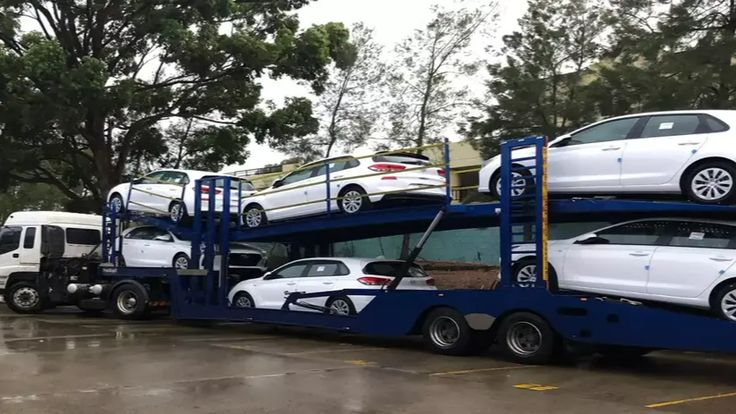
Open transport is a popular option for standard cars and SUVs. Vehicles travel on an uncovered carrier, and this method is generally more economical.
Enclosed transport moves vehicles inside a covered trailer and may suit classic, luxury, collectible, or specialty automobiles.
Your decision should account for the vehicle’s value, condition, dimensions, budget, and desired level of environmental protection.
2. Understand What Affects the Price
State-to-state shipping costs are based on several variables.
Distance and route: Longer routes can increase overall transportation costs, but pricing does not necessarily rise at a fixed rate per mile. Common shipping corridors may be priced differently from remote routes.
Vehicle size: Larger or heavier vehicles may occupy more carrier capacity and require different loading arrangements.
Transport type: Enclosed carriers typically cost more than open carriers.
Timing: Requested pickup dates, seasonal demand, and limited scheduling flexibility can affect pricing.
Accessibility: Difficult pickup or delivery locations may require a nearby alternative meeting point or additional arrangements.
Provide complete information when requesting a quote. Compare written quotes that cover the same route, vehicle, shipping method, and scheduling expectations.
3. Plan Your Pickup and Delivery Dates
Start arranging transportation as early as practical, especially when you have a fixed moving date.
Ask for an estimated pickup window and transit time. Interstate shipments may be affected by weather, traffic, road closures, carrier schedules, and other operational conditions.
Do not make nonrefundable travel or accommodation plans based solely on an unconfirmed vehicle delivery estimate.
If someone else will hand over or receive your vehicle, coordinate authorization, keys, contact information, and availability ahead of time.
4. Prepare Your Vehicle for Interstate Shipping
Before pickup, clean the vehicle so existing damage can be documented. Take clear photographs of the exterior and note any visible scratches, dents, or other concerns.
Remove personal possessions and unsecured items. Confirm any exceptions in writing if the carrier allows limited items to remain inside the vehicle.
Check for fluid leaks, report mechanical problems, and tell the carrier if the vehicle is inoperable. Special equipment may be necessary to load a non-running vehicle.
Follow the carrier’s instructions for fuel level, alarms, keys, toll tags, and vehicle accessories.
5. Check the Carrier and Shipping Agreement
Before paying a deposit or confirming your shipment, understand who will physically transport your vehicle.
Some auto transport businesses act as brokers that arrange transportation with third-party motor carriers. Others operate their own carrier equipment. Confirm which arrangement applies.
Ask about applicable carrier identification and registration, cargo insurance, cancellation policies, payment terms, and complaint procedures. Verify relevant credentials and insurance details through appropriate official sources.
Read the written agreement carefully and clarify any uncertain charges, pickup windows, delivery commitments, or limitations.
6. Inspect Your Vehicle at Pickup and Delivery
A condition report documents the vehicle’s visible condition when it is collected. Review the report and retain a copy.
At delivery, inspect the vehicle before completing the handover when possible. Compare the vehicle against the original photographs and pickup report.
If you notice possible new damage, document it on the delivery paperwork, take photographs, and notify the responsible carrier promptly. Follow the claim requirements and deadlines in your shipping agreement and insurance documentation.
Simplify Your Interstate Vehicle Move
State-to-state shipping becomes easier to manage when you select an appropriate transport method, prepare your vehicle, and understand the booking terms before pickup.
AeroRoute Auto Transport serves customers arranging vehicle transportation from Paradise, California, and other suitable pickup locations. Call (530) 429-7159 to discuss your intended route and request information about your shipping options.